
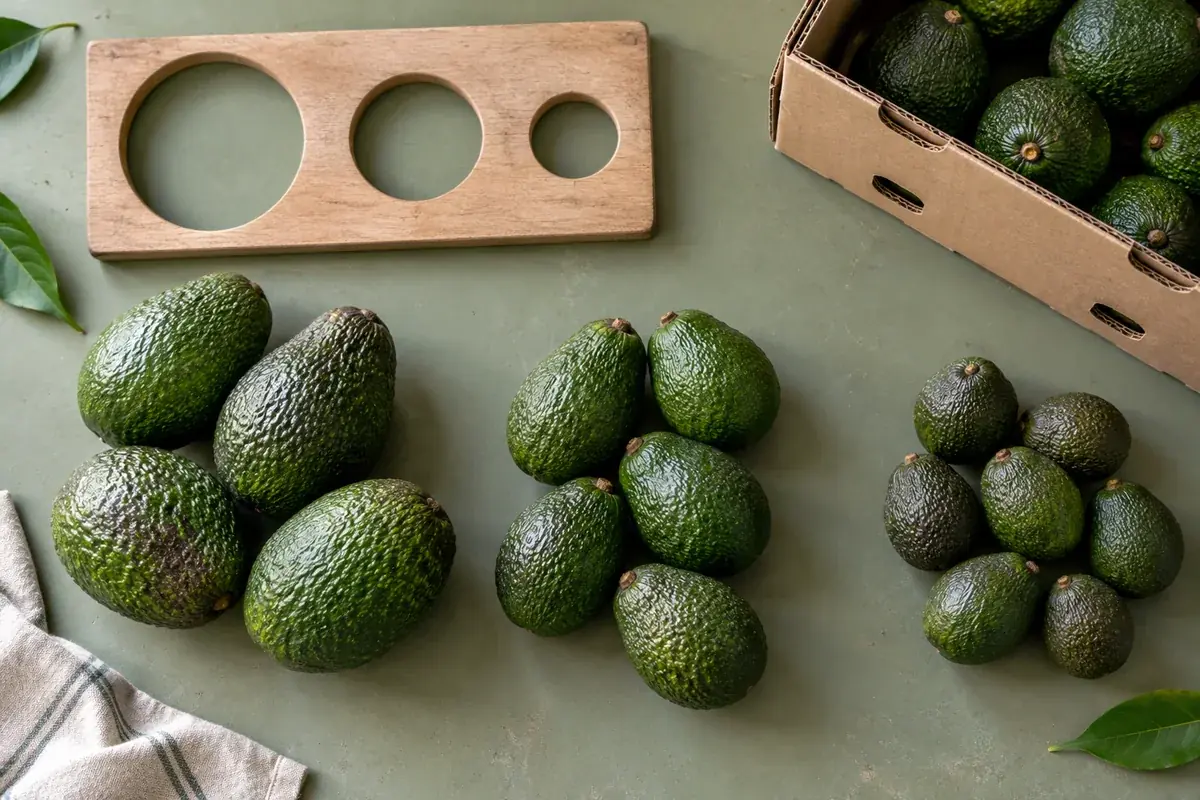
A grade needs a definition
Terms such as premium or export quality are difficult to use without an underlying specification. Ask what size range, maturity, appearance and defect tolerances are intended. Define the method and stage of inspection. A specification should let two people evaluate the same lot without relying on an informal label.
Size, count and weight answer different questions
A carton count describes how many fruit are packed. A size or weight specification describes the fruit grouping, while a carton net weight describes the produce in the package. Clarify which measure the buyer is using and how tolerances will be handled. Do not assume a count code means the same pack across different formats.
Maturity belongs in the discussion
Fruit that looks similar can be intended for different handling programmes. State the arrival condition and intended use, and ask which maturity checks can be confirmed. Grading should be discussed alongside these requirements, rather than being reduced to the external appearance of individual avocados.
Specify the complete package
Include carton format, strength requirements, ventilation, fruit protection, labels and pallet configuration. Ask who supplies each material and how samples or artwork will be approved. A packaging format should be confirmed against the order rather than borrowed from an unrelated product page. Ken Fresh Growers pack options are subject to confirmation.
Reconcile the results
Before processing, agree how packed fruit, rejects and out-of-specification fruit will be counted or weighed. Make sure records connect the receiving lot to the final cartons. This makes the pack-out discussion clearer and provides a shared basis for handling a buyer query later.
Count, grade and carton weight should not be interchangeable
In a buyer specification, a count can describe the number of avocados in a carton; net weight describes the fruit quantity in that carton; and grading defines the accepted grouping. A change in one field does not automatically settle the others. Write the fields separately and identify any tolerances. If you use a named commercial standard such as UNECE FFV-42, specify the framework and any additional buyer requirements rather than using a broad quality adjective.
A pack-change example: recheck the full specification
A buyer agrees a carton count and later requests a different carton format. That change may require a new review of fruit grouping, net weight, labels and pallet arrangement. The parties should not assume that preserving the fruit count preserves the entire order. Identify the approved final pack in one brief and share it with the people responsible for preparation and documentation. Reconcile the completed output against that version so that the buyer can interpret the packing information correctly.
Apply the guide to your programme
| Situation | Decision to document |
|---|---|
| The specification uses an unexplained count code | Ask for the intended fruit grouping and carton configuration in terms understood by both parties. Record any applicable tolerances and the agreed reference. |
| The buyer requests a different grade | Identify which condition or size criteria change and how they will be assessed. A new grade label alone does not explain the revised acceptance decision. |
| The carton format changes | Review count, net weight, materials, labeling and pallet requirements together. Approve the resulting specification before the alternative is used. |
More about your programme.
Can the carton count alone define the whole order?
It leaves other decisions unresolved. Include fruit condition, maturity requirements, carton format, weight where relevant and labeling so that both parties understand the finished pack.
Read the stated grade alongside the actual order
Ask which grading reference is being used and how the buyer’s additional requirements are recorded. A broad grade name may not explain the desired size distribution, presentation or stage of inspection. Keep those points in the product brief so that the packer and receiver are assessing the same intended product.
UNECE provides a commercial quality reference for avocados, but the parties still need to identify the applicable specification and the actual inspection arrangement. This article does not assign a grade to company fruit or reproduce a universal acceptance tolerance. A grade description should be supported by the agreed observations and decision process.
Design a sample review that separates external and internal findings
An external review can record visible cuts, rubbing, sunburn or other presentation concerns. An internal review requires a different observation and may involve cutting selected fruit. State how the sample was chosen and whether it is being examined at packing, arrival or a later ripening stage. That distinction matters when the parties interpret the findings.
UC Davis identifies internal browning and uneven ripening among avocado postharvest concerns. Their presence in a technical reference is not a diagnosis of an individual lot. Record the actual observation and handling context, then seek appropriate technical assessment before attributing a cause or extending the finding to the whole order.
Use count changes to test the package assumptions
If a buyer changes the number of avocados expected in a carton, review the fruit size group and physical arrangement before approving the revision. A count is connected with the selected fruit and pack; changing the printed number alone does not establish that the product will fit or deliver the intended net quantity.
Assemble a representative example and check support, closure and the information shown on the label. If more than one approved count is used, distinguish the groups in the packing list. Avoid an unexplained mixture where the buyer expects cartons to have a consistent presentation.
Specify how borderline observations are escalated
A receiving or grading team may encounter fruit that does not clearly fit an agreed visual reference. Identify who may review that fruit and how it is kept separate while the decision is pending. A rushed decision can otherwise become an unrecorded change to the buyer’s acceptance criteria.
Keep the original reference and the final decision together. If a different specification is accepted for a portion, identify that portion and update the relevant instruction before packing continues. Do not assume that fruit outside one customer’s preference has an approved alternative market or that the packer may decide its disposition without the owner.
Connect the grade result with usable commercial information
An owner needs to understand which fruit was packed into each approved group and which portions remain outside that output. Record quantities on a stated basis and retain any assumptions used when comparing intake and packed fruit. A single headline percentage can conceal important differences between a broad harvest and a narrow customer specification.
Use the result to improve the next order. If the available fruit repeatedly falls outside the requested size band, discuss crop selection or a different accepted pack before delivery. Avoid treating the grading result as evidence that the physical service can create a size or condition not present in the incoming fruit.
Choose the next question according to the problem
If the uncertainty concerns cultivar identity or expected fruit shape, consult the avocado variety guide. If it concerns how accepted fruit is handled and reconciled, continue to the avocado packing workflow. A purchasing decision may also need the buyer’s guide to connect the pack with the intended delivery stage.
For a service inquiry, describe the actual incoming fruit and the output you want reviewed. Provide the proposed grade reference, size grouping, carton format and known exceptions. These details help frame the discussion without implying a confirmed service method, certificate, capacity or packing yield.
Additional questions for the order review
Does a cosmetic concern always mean the fruit is unsafe?
A presentation finding and a food-safety finding require their own assessment. Describe the observation and compare it with the agreed quality criteria, then ask whether a separate safety or plant-health question needs technical review. Do not dismiss a concern simply because it appears cosmetic, but do not assign a safety conclusion from appearance alone. Keep the reason for holding or accepting fruit explicit. This allows the owner and buyer to understand whether they are discussing a commercial preference, a technical uncertainty or another requirement.
Can the same grade reference be used at every inspection stage?
The parties should identify the stage and context in which the reference will be assessed. Record whether the observation concerns freshly packed fruit, arrival condition or fruit reviewed after a later handling step. A comparison becomes difficult if those stages are left unstated. Ask how relevant changes in condition will be recorded and who will review a discrepancy. This is a reason to keep the approved product brief and inspection record together, rather than rely on the grade name as the entire explanation.