
Fruit packing services
for your next programme.
Third-party avocado packing in Kenya, planned around the incoming lot, buyer specification and dispatch arrangements.
Request packing servicesInside the packhouse.
Photographs and a short video from the Ken Fresh Growers packhouse: avocado handling, packed cartons and facility interiors.
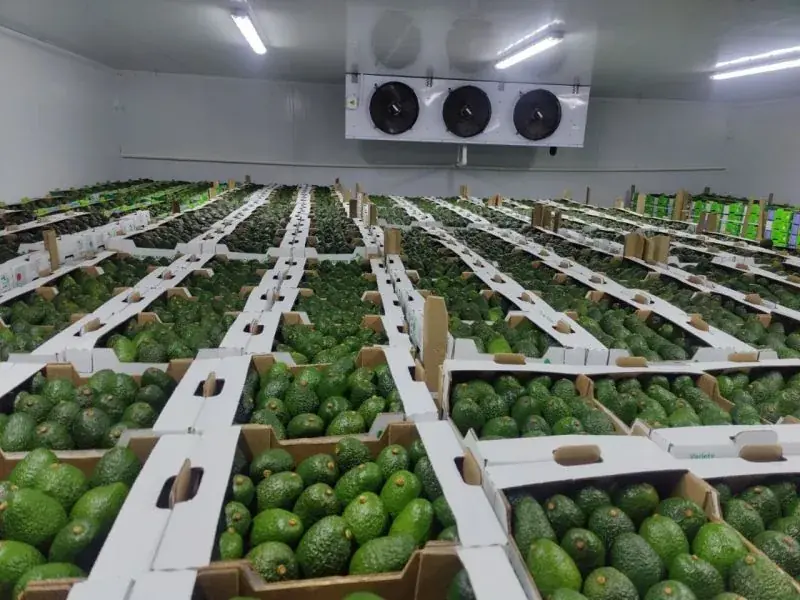
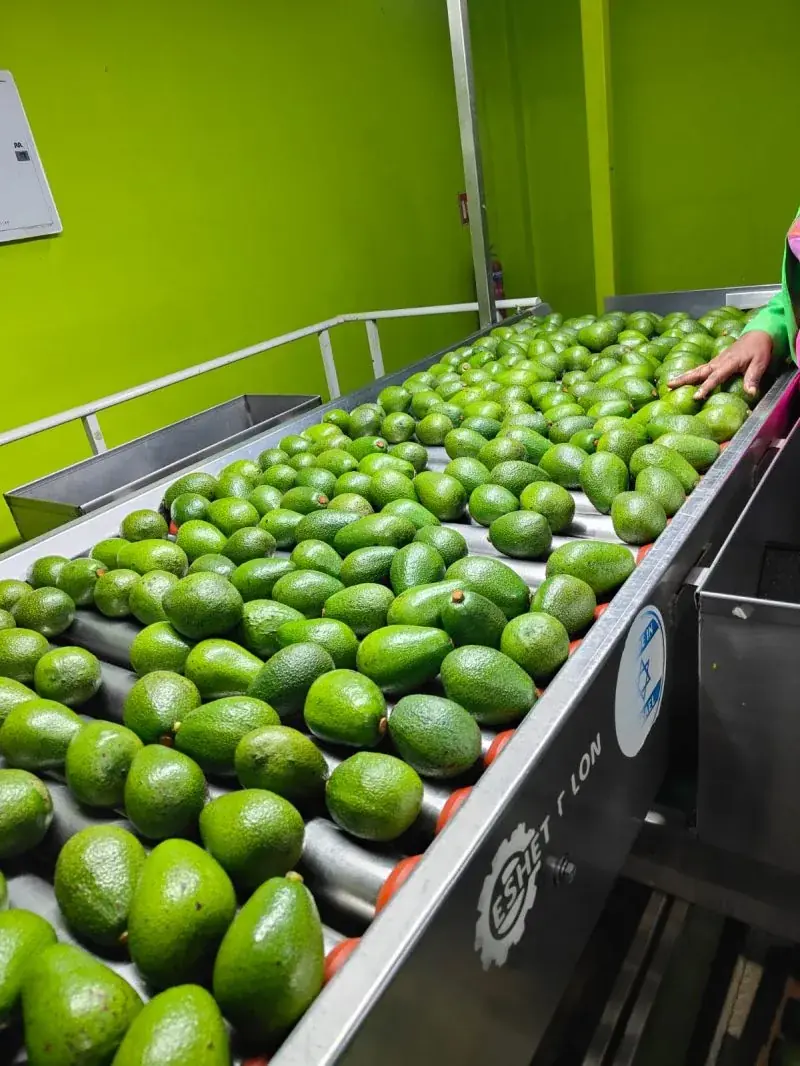
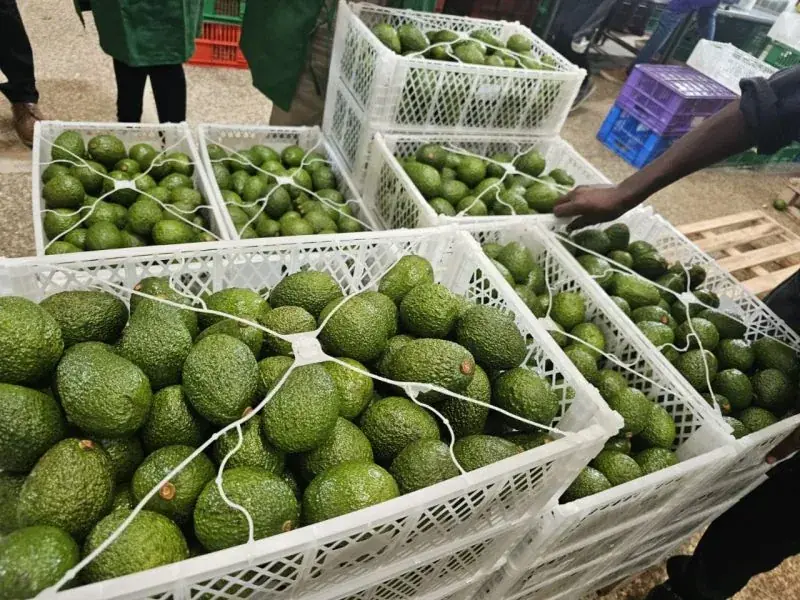
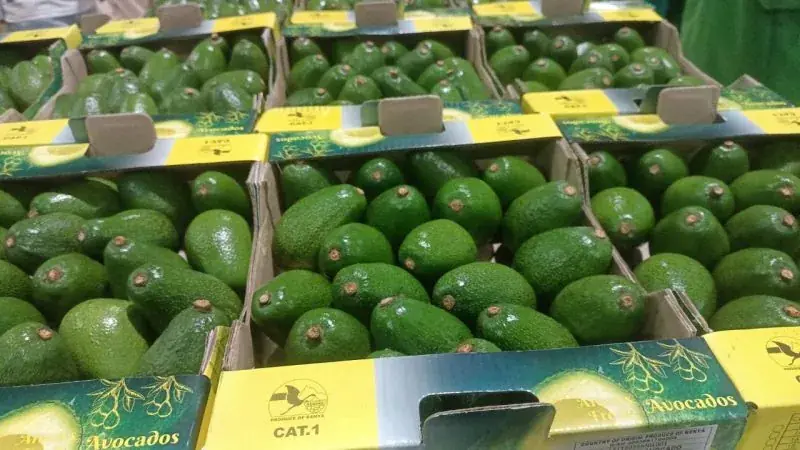
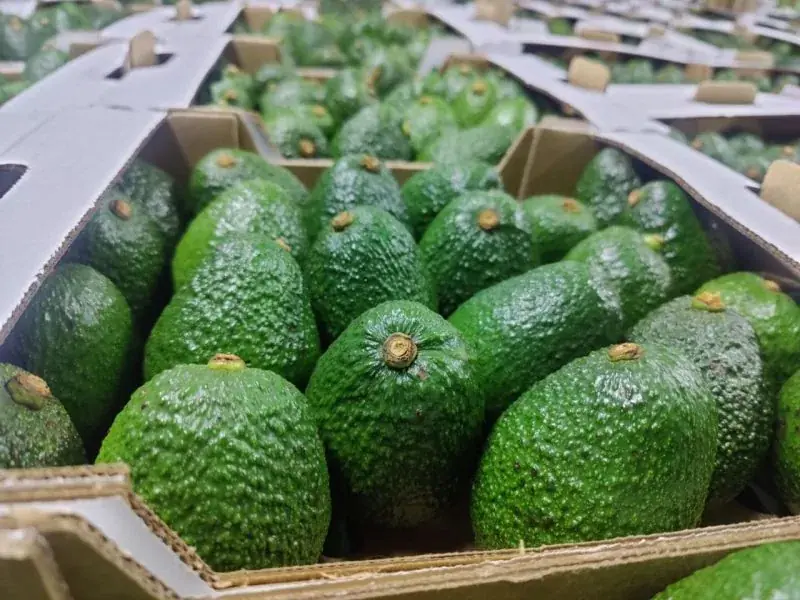
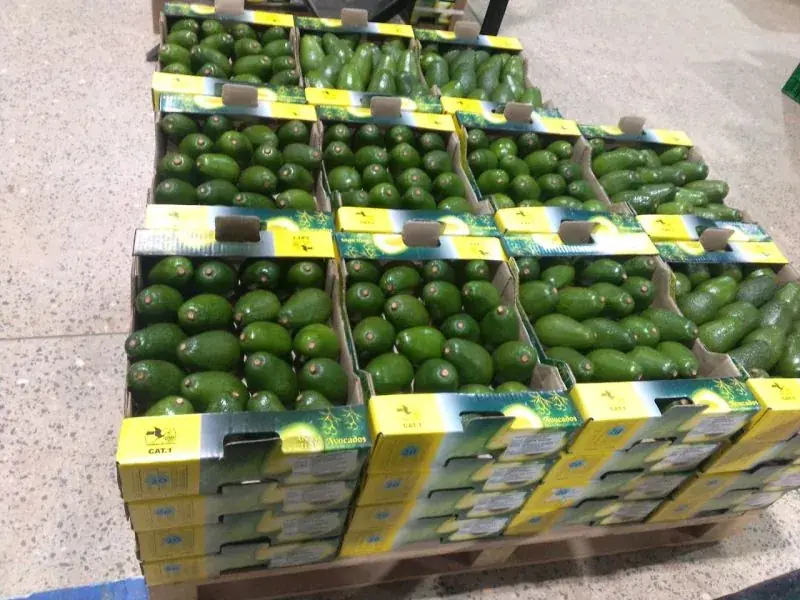
Avocado handling in motion.
A short silent excerpt showing avocado handling, workers and packed cartons inside the packhouse.
Packing without a fruit purchase
Third-party packing is a service arrangement: a grower, supplier or exporter brings fruit for an agreed packing scope. Fruit ownership, commercial risk and responsibility for rejected produce should be set out before delivery. A packing inquiry does not require you to sell your crop to Ken Fresh Growers.
Receiving and inspection
A useful receiving brief identifies fruit type, origin, harvest timing, expected volume and transport condition. Agree how arrival inspection, sampling, acceptance and segregation will be recorded. This makes it easier to resolve differences between delivered quantities and fruit accepted for packing.
Cleaning, sorting and grading
Cleaning and washing methods depend on the fruit and the agreed protocol. Sorting removes unsuitable produce; grading groups accepted fruit by the buyer specification. Ask us to confirm the available methods, checks and grading arrangements for your programme before booking.
Packaging and labeling
Confirm who supplies cartons, inserts and labels; specify the intended count or weight and any pallet requirements. A label brief should connect the lot to its packing records and match the buyer requirements. Packaging specifications and branded materials require confirmation for each order.
Holding, export preparation and dispatch
Agree the interval between packing and collection, handling responsibilities, destination documentation and the dispatch handover. Cold storage, temperature-controlled transport, specialist treatments and freight services must be confirmed separately; they are not assumed capabilities.
How to request a booking
Share the fruit type, estimated quantity and units, proposed processing period and required services. Include your destination and buyer specification if known. A service scope, availability and commercial terms need to be agreed before fruit is delivered.
What third-party fruit packing includes
The scope can bring together receiving records, condition assessment, cleaning preparation, sorting, size grouping, carton packing and label coordination. Each activity needs an agreed output. For example, a sorting brief identifies the fruit that should be removed; a grading brief defines the accepted groupings; a packing brief describes the finished carton. Ask which activities are included in the proposed Ken Fresh Growers service and which need separate arrangements.
A receiving record that supports reconciliation
Useful intake information includes supplier identity, lot reference, fruit type, harvest or collection date, delivered quantity and the unit used. Record the condition on arrival and the person responsible for acceptance. Keep crates, cartons and kilograms distinct in the records. When a customer compares delivered fruit with final packed output, mismatched units can create a disagreement even where the physical quantities are understood.
How to read a pack-out report
A useful packing reconciliation separates fruit received, fruit accepted, packed output, rejects and any balance still held. Ask how each category is measured and how changes in packaging tare are treated. A percentage alone does not explain the result. The categories, units and reason codes behind that figure make the report useful to the grower and exporter. Agree the report format before processing begins.
Exceptions deserve a route of their own
Decide who is contacted if fruit condition, size distribution or incoming quantity differs from the brief. Agree whether the packer should hold the lot, continue with an approved alternative or wait for a decision. Define who can authorise a change in carton format or acceptance criteria. A named decision route helps avoid an improvised change becoming a surprise at collection.
Define the service before delivery
| Decision | Include in your packing brief |
|---|---|
| Incoming fruit | Source lot, variety if known, harvest timing, quantity and arrival condition. |
| Required output | Acceptance specification, size grouping, count or weight, cartons and label details. |
| Materials | Who supplies cartons, inserts and labels; approval and delivery dates. |
| Exceptions | Who approves changes and how rejects, holds and out-of-specification fruit are handled. |
| Handover | Processing window, holding needs, collection, records and the responsible parties. |
More about your programme.
Can I bring fruit without a confirmed buyer specification?
Start an inquiry with what you know. Before processing, the service needs a clear acceptance and packing brief; otherwise the packer cannot reliably decide which fruit belongs in the intended order.
Are cold storage and export freight included?
These require specific confirmation. They should be listed separately with the required duration, handling conditions, destination and responsible partner, rather than assumed to be part of packing.
How are packing quantities assessed?
Agree the measurement units and categories at intake. The reconciliation should explain packed fruit, rejects and remaining balances against the received lot, with records appropriate to the service.
Every stage matters.
A planning workflow for your service discussion. Specific methods, equipment, cold-chain handling and treatments require confirmation.
- 01
Receiving & inspection
Identify the grower or supplier, record the lot, and agree acceptance checks before processing.
- 02
Cleaning & preparation
Agree the cleaning method appropriate to the fruit and the destination. Confirm any washing or treatment requirements in advance.
- 03
Sorting & grading
Separate unsuitable fruit and group accepted produce against the agreed size, appearance and maturity specification.
- 04
Packing & labeling
Match packaging, counts and labels to the order, with a clear link between packed fruit and its source lot.
- 05
Checks & dispatch
Reconcile the packing records and agree holding conditions, collection timing and dispatch responsibilities.
Tell us about your harvest.
Prepare and download your inquiry. Online sending is not configured yet; nothing entered here is sent to Ken Fresh Growers.
Choose a service boundary that matches fruit ownership
Third-party fruit packing can be relevant to a grower assembling an order, a supplier who owns a crop or an exporter coordinating fruit from identified sources. The service discussion should state who owns the fruit throughout the work, who approves the specification and who may instruct a change. Paying for packing does not automatically transfer ownership or responsibility for selling the harvest.
Distinguish activities included in the agreed service from arrangements supplied by another party. Receiving, inspection, sorting, grading, materials, labeling and dispatch records may require separate decisions. Storage, testing, treatments and transport need explicit confirmation rather than being inferred from the phrase packhouse services.
Use a change record when the brief changes
After an order is agreed, a buyer may change a label, a grower may bring a different size distribution or a collection time may move. Record the request, the affected lot, who approved it and the revised instruction. Ask whether materials already prepared can still be used and whether any packed output needs review.
Keep a short change record when the fruit owner and buyer communicate through different people. Record the latest approved instruction and who may authorize an exception. Review the avocado packing page, then use the packing inquiry to describe the proposed work.
Let’s talk fruit.
Sourcing Kenyan fruit or preparing your own harvest? Tell us what your programme needs.